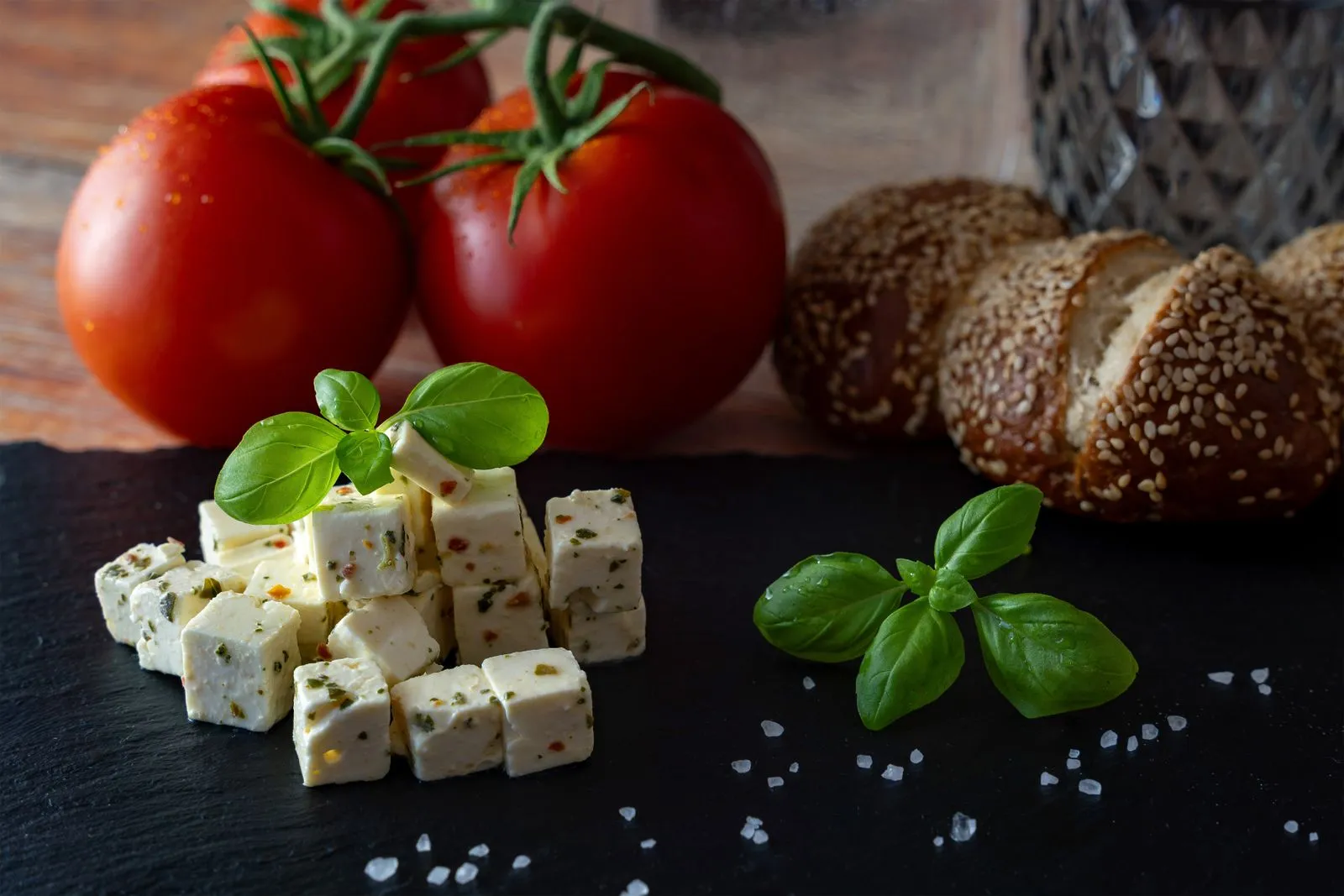
Antipasti are Italian starters served before the main meal, often arranged for everyone to share. A good selection brings together different flavors and textures rather than relying on a large quantity of one ingredient. Cured meats, cheeses, marinated vegetables, olives, and bread are familiar choices, but the best combination depends on the group and the meal that follows. Use this guide to choose complementary ingredients and assemble a spread that feels varied, satisfying, and easy to enjoy.
Know the Main Ingredients
Cured meats such as prosciutto, salami, and mortadella contribute salt, savory depth, and a tender or firm texture. Choose a few distinct styles rather than several that taste alike. Thinly sliced prosciutto offers a delicate, mild option, while salami is usually more robust. Serve small portions so the meats add variety without crowding out the other parts of the spread.
Cheeses can range from soft and creamy to firm and aged. Fresh mozzarella or ricotta brings a mild contrast to salty meats; aged cheeses offer a more concentrated, savory flavor. Vegetables add freshness or acidity: try marinated artichokes, roasted peppers, grilled zucchini, or eggplant. Olives and pickled vegetables contribute a briny tang that helps balance richer ingredients.
Balance Flavor and Texture
Build contrast into the selection. Pair rich, salty items with something bright, such as marinated vegetables, pickled onions, or tomatoes dressed with a little olive oil. Add mild ingredients to soften bold flavors, and include both tender and crisp textures. Bread, breadsticks, or crisp crackers provide a neutral base and make it easier to combine ingredients in each bite.
Think about intensity as well as variety. Several strongly salted meats, aged cheeses, and olives can make the whole platter taste heavy. Offset those flavors with fresh produce, mild cheese, and plain bread. If the meal will include a rich main course, keep the antipasti lighter; for a more substantial starter, add extra vegetables, cheese, and bread.
Build a Shareable Platter
Start with a small selection across categories: one or two cured meats, two cheeses with different textures, two or three vegetable or olive options, and bread. This is a flexible starting point, not a fixed formula. Adjust it for the number of guests, their preferences, and what else you plan to serve. For a vegetarian spread, replace the meats with additional vegetables, beans, or other savory items.
Arrange ingredients so guests can reach them easily. Place cheeses and larger vegetable pieces first, then fold or loosely layer sliced meats nearby. Use small bowls for olives and other items with oil or brine, and keep bread within reach. Separate ingredients with strong flavors or liquids, and provide serving utensils where needed. Let refrigerated items sit out briefly before serving, while following safe food-handling guidance.
Make It Work for Your Guests
Ask about dietary restrictions before choosing ingredients. Check labels for allergens and ingredients such as milk, wheat, or nuts, and keep suitable alternatives separate to reduce cross-contact. A vegetarian platter should be assembled without meat utensils or surfaces. If guests avoid pork or other specific foods, choose compatible meats or leave them out rather than assuming a standard selection will suit everyone.
Keep the presentation practical: offer small plates, napkins, and enough space for guests to serve themselves. Refill popular items in modest amounts instead of placing every portion out at once. This keeps the platter inviting and helps protect foods that need refrigeration. Remove perishable items promptly after serving, following food-safety recommendations for time and temperature.
A balanced antipasti selection combines savory, fresh, tangy, and crisp ingredients in portions suited to the meal and the guests. Choose a few contrasting items, serve them so they are easy to share, and account for dietary needs. For a ready-made Italian meal in Oxford, ask Oxford Table about its current menu.